
Ever pull your earbuds out after a two-hour work session and feel your ears sigh in relief? That little wave of "finally" is a signal worth paying attention to. It doesn't mean your earbuds sound bad — it usually means your ears have simply had enough of being sealed shut. This guide walks through why that happens, what open-ear designs like EarFun's OpenJump and Clip 2 actually change, and how to tell whether ditching the seal is the right move for you.
Why Sealed Earbuds Start to Feel Like Too Much
Traditional earbuds work by forming a seal in your ear canal — that's how they block outside noise and push out bass. But that same seal is also what creates pressure over time. A few situations tend to bring it on faster than others:
- Long calls or back-to-back meetings, where the pressure builds slowly and you don't notice it until you take the buds out
- Runs or workouts, where movement keeps shifting the tip against your canal
- Active noise cancellation left on for hours, which some listeners describe as a faint "sucked-in" feeling inside the head
None of this means the earbuds are broken or badly made. It's just physics: a tight seal plus a soft ear canal equals fatigue, sooner or later. For some people that's a non-issue. For others, it's the reason they've started Googling "open-ear earbuds" in the first place.
What Open-Ear Actually Changes
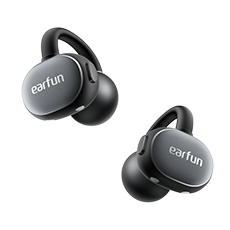
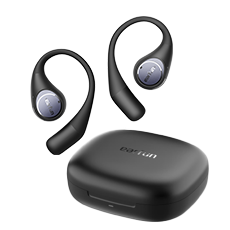
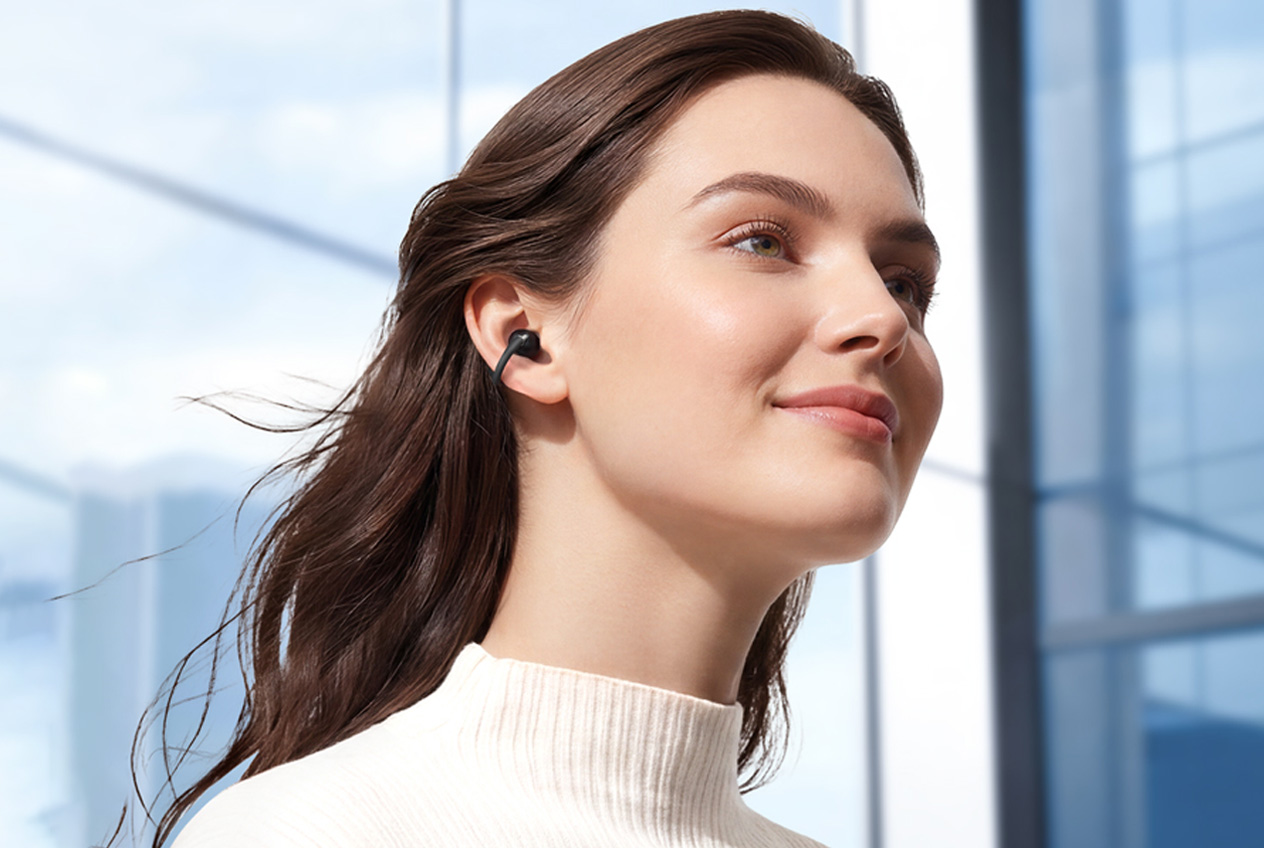
Open-ear earbuds — like EarFun's Clip 2 or OpenJump — skip the seal entirely. Instead of sitting inside your canal, they clip onto or hook around your outer ear and aim sound inward from just outside it. Your ear canal stays completely open to air, which is the whole point.
That single change is why open-ear listeners often say their ears "don't know they're wearing anything" after a few hours. There's no vacuum, no internal ache, no need to pop them out every 45 minutes just to reset.
It also changes how you experience the room around you. Because the canal isn't blocked, you can still hear your coworker at the next desk, a doorbell, or a car approaching from behind — which is a big part of why this style has become popular for runners and office workers alike.
The Catch: Comfort Just Moves, It Doesn't Disappear
Here's the part worth being honest about before you buy: open-ear earbuds don't eliminate pressure — they relocate it. Instead of pressure inside your canal, you get contact pressure from wherever the frame touches your ear. For a clip-style design, that's usually the outer ear cartilage where the clip grips. For a hook-style design, it's the point behind your ear where the hook rests.
| If your discomfort feels like... | It's probably... | What to look for |
|---|---|---|
| A stuffed, muffled, "airplane cabin" sensation | Canal pressure from a sealed tip | An open-ear design should bring real relief |
| Soreness or pinching on your outer ear after hours of wear | Frame contact pressure | Look at clip tension, weight, and how the frame is shaped — not just whether it's "open" |
This is why trying on a specific model matters more than trusting the category label alone. EarFun's Clip 2, for instance, uses a thin nickel-titanium frame with soft silicone padding specifically to spread that contact pressure out rather than concentrate it in one spot — but even a well-engineered clip will feel different depending on your ear shape.
Where Open-Ear Still Falls Short
To be fair to sealed earbuds: open-ear isn't a straight upgrade. Because there's no seal, you lose some low-end punch and passive noise blocking. Music competes with the room instead of shutting it out, which matters if you're on a loud train platform or want to disappear into an album with the volume down low.
If your model includes ANC (some open-ear designs are starting to add it), turning that feature on can bring back a version of the same "head pressure" feeling you were trying to escape — worth checking before you assume open-ear automatically solves everything.
A Quick Self-Test
Ask yourself where the discomfort actually shows up:
Ears feel plugged, sore, or achy inside within the first half hour? That's canal pressure. An open design like OpenJump or Clip 2 is built to solve exactly this.
Fine for an hour, then something starts pinching behind or on top of your ear? That's frame contact, not canal pressure — pay attention to clip weight and shape, not just the "open-ear" label.
More interested in deep bass and blocking out a loud commute than in all-day wearability? A sealed pair is probably still the better fit for you, at least for now.
Wearing earbuds for 6+ hours a day, running outdoors, or need to stay aware of your surroundings? This is the scenario open-ear was built for.
Matching the Design to Your Day
Desk work, long stretches: Open-ear removes the "trapped" feeling that builds over a workday and lets you hear coworkers or calls without pulling a bud out. Worth checking whether ANC (if present) stays optional.
Running or outdoor workouts: Situational awareness is the real win here — you can hear traffic and footsteps around you. In a loud gym, though, ambient noise can start to mask finer audio detail, so temper your bass expectations.
Naps or lying down: A low-profile frame matters more than anything else. Something that disappears while you're upright can suddenly dig in once your head hits a pillow, so weight and shape become the deciding factor.
Bottom Line
If your ears ache from the inside out, open-ear earbuds like the EarFun OpenJump or Clip 2 are built to fix exactly that problem — no seal, no vacuum, no muffled ache creeping in by hour three. If your priority is deep bass and total noise blocking, a sealed pair still wins. And if you're already sold on going open-ear, spend a few extra minutes on fit: the frame touching your outer ear is now the thing that decides whether you forget you're wearing them, or start noticing them again by the afternoon.